

Introduction
The short game in golf is often considered an “easy“ part of the game, with many of my lessons who come to improve their golf deflating to wanting to work on their driving over improving their short game…the short game is not easy! It's where strokes can be easily gained or lost, often just through choosing the right club and reading the situation. This blog will discuss some of the key ingredients when trying to produce different short game shots around the green be it high flop shots, low-spinners, and bump-and-run. Understanding the principles of angle of attack and club selection is essential for shot selection and adapting to different situations you may find yourself in. In this blog, I delve into the techniques and strategies for mastering these three essential short game shots: the flop shot, the low-spinning shot, and the bump and run.
High Shots: Shallow Angle of Attack and High-Lofted Clubs
To hit those high, soaring shots that stop quickly on the green through a very vertical descent angle, you need to use a combination of a shallow angle of attack and a high-lofted club.
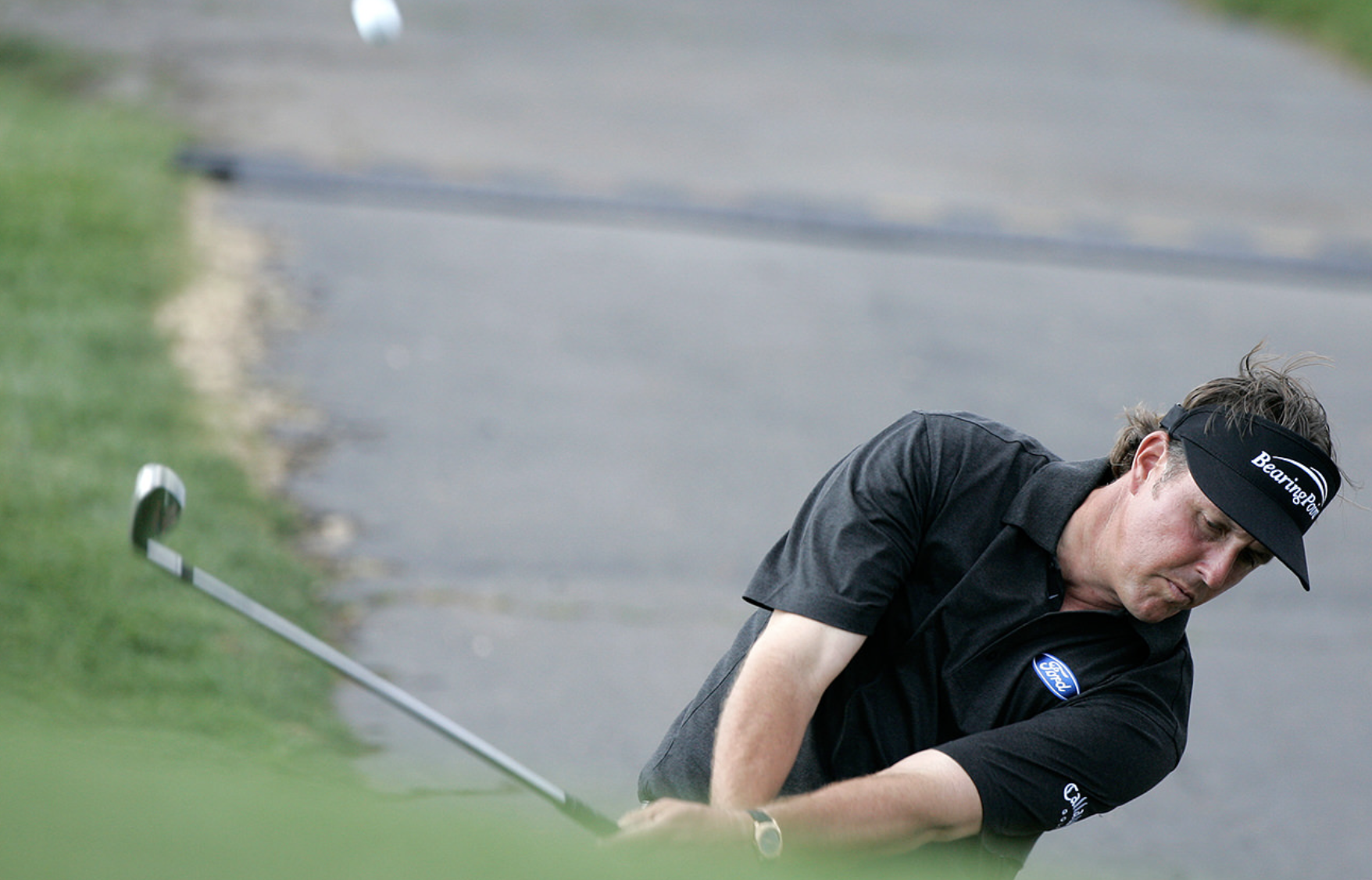
Club Selection: Begin by choosing your most lofted wedge, typically a lob wedge. Lob wedges are designed to add maximum height to your shots.
Ball Position: Place the golf ball slightly forward in your stance. This setup promotes a shallow angle of attack which helps launch the ball high.
Swing: Focus on a wide, smooth swing. If you snatch the club from the top of the backswing you will promote the handle to lead the head of the club into impact too much and reduce the loft which isn’t ideal as we want to get the ball high into the air.
Low-Spinning Shots: High Loft and Steep Angle of Attack
Low-spinning shots are perfect for controlling the distance and stopping the ball quickly on the green when you have some room to skip the ball up the green. Achieving this shot requires a high-lofted club, a steep angle of attack and good equipment.
Club Selection: Choose a high-lofted wedge, just like you would for a high shot, as it allows you to hit the ball with lots of speed which helps to generate spin.
Ball Position: Position the ball in the centre of your stance, but with your upper body positioned slightly more towards the target. This encourages a steeper angle of attack.
Bounce: Open the face slightly to promote higher bounce on the club. This makes it easier to manage ground contact and not dig the club into the floor
Strike: Focus on making solid contact with the ball, debris in between the face and ball reduces backspin.
You will only create the low spinner with high amounts of friction, therefore you require a clean lie, a dry club face, and a good premium golf ball.
Bump and Run Shots: Mid Iron with Low Point Past the Ball
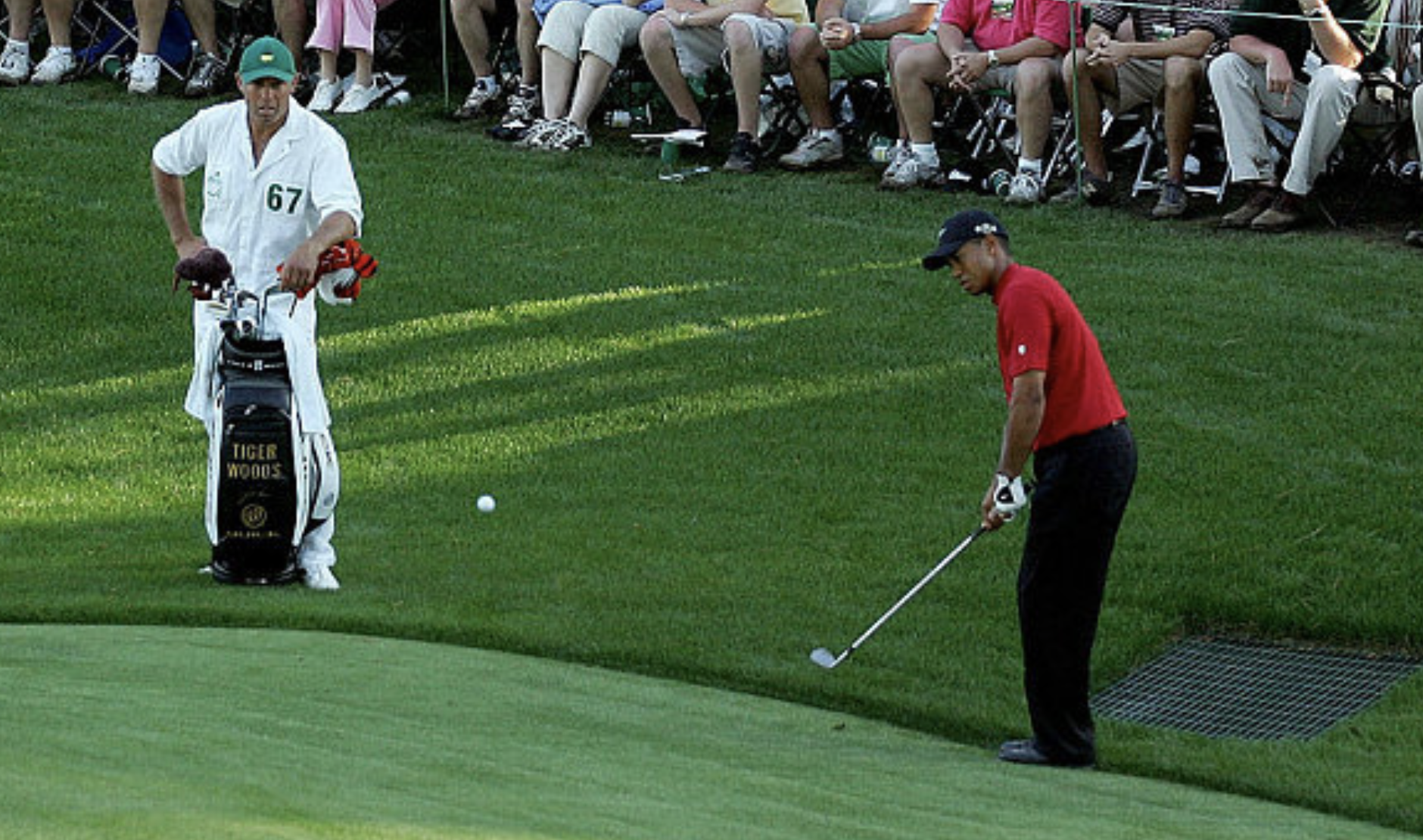
Bump and run shots are ideal for navigating tricky situations around the green, such as when you need to roll the ball along the turf to the hole when there are big humps and hollows in the way.
Club Selection: Opt for a mid iron, e.g. a 7 or 8 iron. These clubs offer less loft and make it easier for the ball to come out lower and with less spin compare to a higher lofted club.
Ball Position: Place the ball in the middle to slightly back in your stance to ensure your club's lowest point occurs after it contacts the ball.
Swing: Use a putting-like motion with the goal of bruising the turf on the way through to ensure a clean contact on the ball.

Conclusion
Scratch golfers miss around 50% of greens in regulation, therefore most amateur golfers will have plenty of opportunity to lower their scores through improving their short game. By understanding how to hit high, low-spinning shots, and bump and run shots, you can handle a wide range of situations around the green. Practice these techniques, and you'll be well on your way to lowering your scores.